
Camp Fife History Timeline
There is so much history to Camp Fife that we couldn’t fit it on one website, but we put the key dates here.
Visit Camp Fife, ‘Uncle Tom’s Cabin’, and the graveyard to learn more of this location’s extensive history.
1853
Thomas Xavier Fife
Thomas Xavier Fife (Tom Fife) was born on 15th May, 1853, in Fifeshire, Scotland, United Kingdom, to his father, John M. Fife (34), and his mother, Margaret G Fife (33).
Tom Fife came to the United States of America on July 5th, 1866 at age 13 with his father, John. The pair worked their way across the country, working in the coal mines of Pennsylvania, prospecting for gold in Wyoming, and working for two years on the Salt Lake Temple, then under construction in Utah. In 1880 the census showed Tom Fife living in Almy, Wyoming where he was reported as being 26 years of age and working as a laborer.
1887

Fifes Settle in Goose Prairie
Tom Fife eventually relocated and settled in Goose Prairie in 1886 with his father, John. Together, they homesteaded 146 acres. Friend Supreme Court Justice William O. Douglas and others said this name came from a lone snow goose that spent time there with the Fifes, who then named the area for the bird. By 1887, the first cabin was built.
Soon after, on November 9th, 1890, John Fife passed away and became the first person to be buried in the Goose Prairie graveyard.
Tom was also active in many local mining operations, including mining claims in the Gold King quartz claim, Emma quartz claim, Blue Bell quartz claim, Tip Top quartz claim, and the Gold Dust Placer claim, along with the Thomas Fife Mill site, according to the Yakima Herald. These claims were located in the Gold Hill or Summit district. In 1900, Fife transferred these claims to the Blue Bell Mining Co.
1915
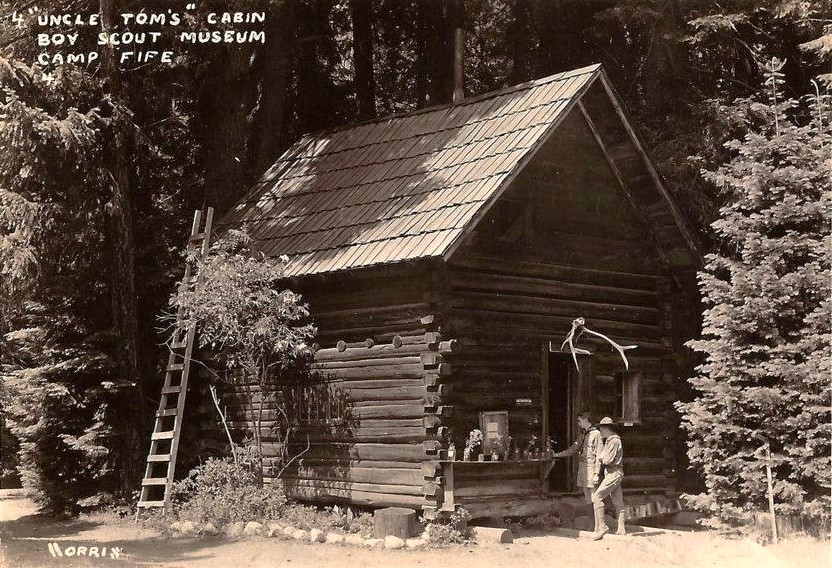
Tom Fife’s Second Cabin
‘Uncle Tom’s Cabin’ was built after his original cabin burned down and on its completion he lived in it until he passed away. The cabin has moved around the prairie and been owned by two other families, finding its final resting place next to the cemetery, where it remains today.
1922
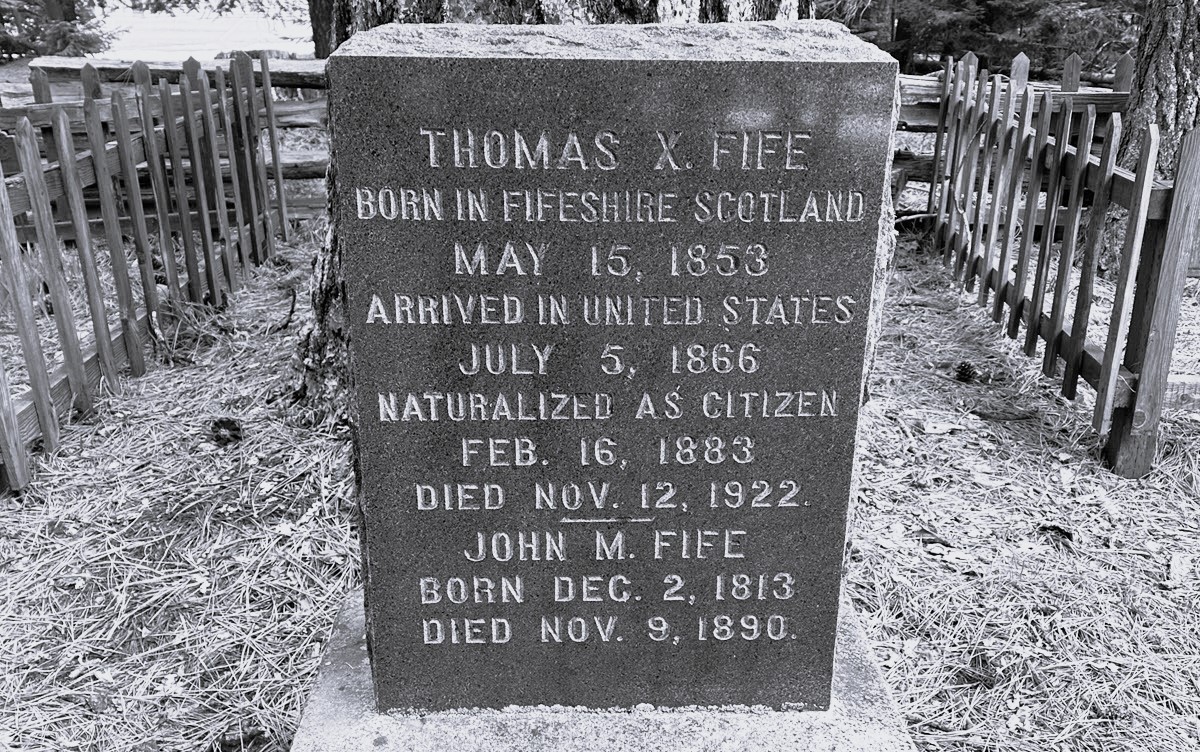
Tom Fife Passes Away
On November 12th, 1922, Tom Fife passed away.
1923
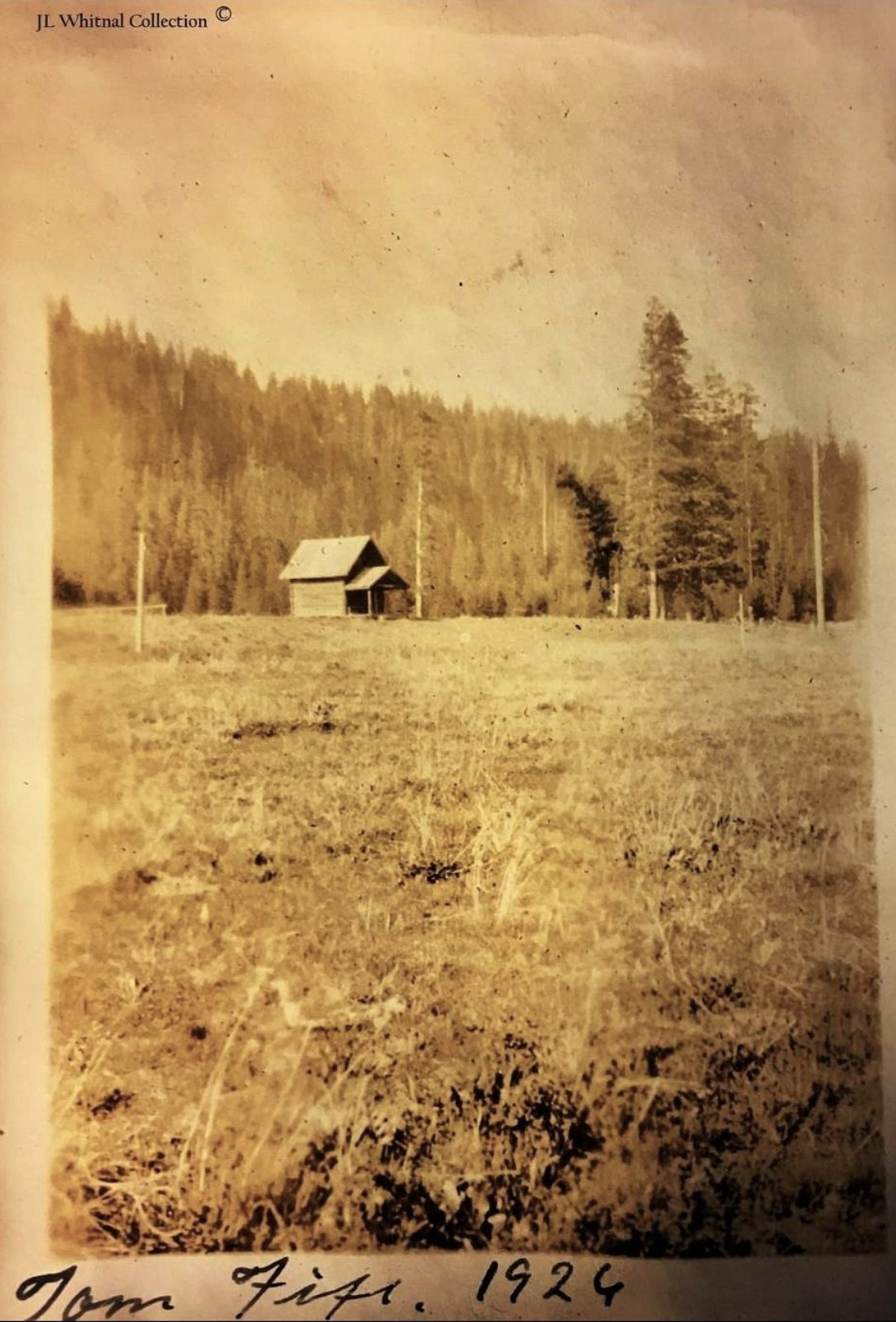
Camp Fife 1924
Camp Fife is Born
The final will of Tom Fife was executed with the formal deed signed to Yakima Council Boy Scouts of America on August 6th at 3.59pm, 1923. This marks the official start of the use of the property as ‘Camp Fife’.
It comprised 10 acres (Lot 5) and an additional 1 acre to host the local Gooseprairie Cemetery; today, this is referred to as the Camp Fife Cemetery. The remaining 136 acres were divided into 51 lots. Over the years, many of these were added to the Camp Fife footprint, which makes the 62 acres that exist today.
1926
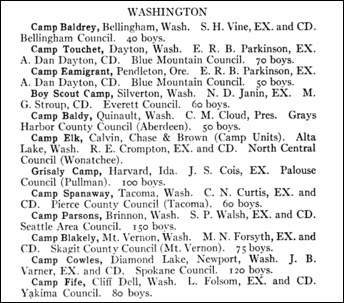
First Documented Summer Camp
The National ‘Summer Camps 1926 – A Handbook for Summer Camps’, on page 124, shows that this year, 80 boys attended Camp Fife for their Summer Camp. Although it is believed that summer camps started immediately in 1924.
1935
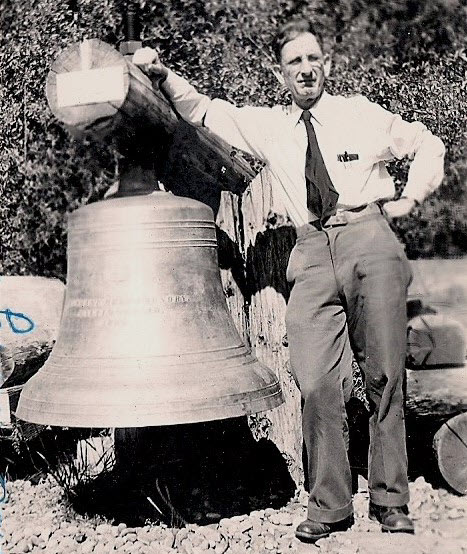
Camp Fife Bell is Hung
At the same time, the kitchen and dining hall were being built, Walter S Gallant did the original hanging of the camp bell. The bell was critical to the whole of Gooseprairie, where it is used to this day as a fire warning.
The bell is from McShane Bell Foundry, which cast it in 1889 in Baltimore, MD. This is America’s longest bell manufacturing business.
The bell’s original location was left of the current program lodge, where, among the trees, you can still see remnants of the rockery that housed the bell and a water fountain. It has, over the years, however, had multiple locations.
1936
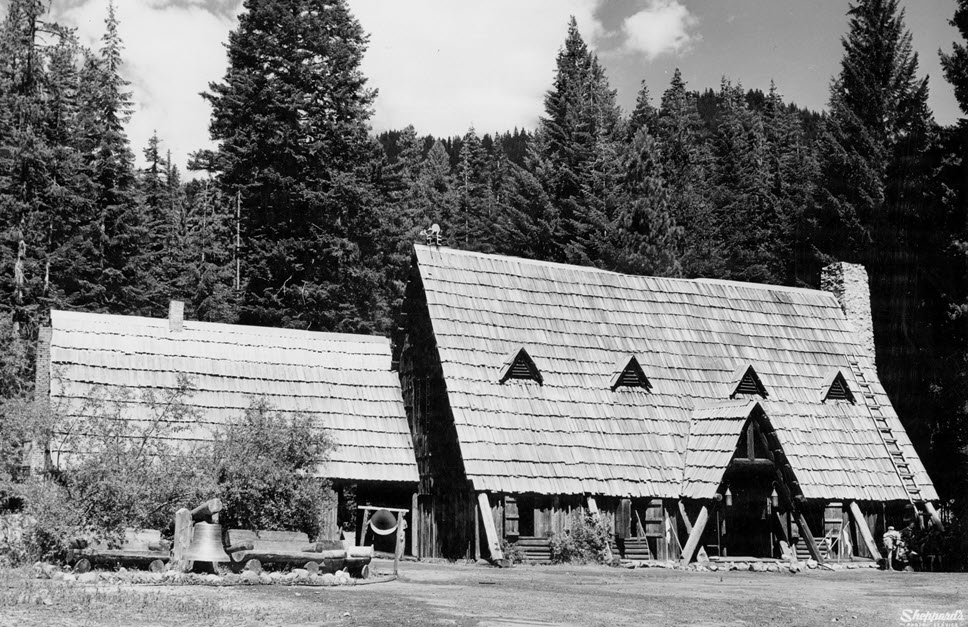
Original Dining Hall and Kitchen Opened
The first dining hall and kitchen were started in 1935. Construction was completed along with a fireplace in 1936. Timber from the newly built roadway from the American River to Bumping Lake was offered and used for the construction.
Following this development, Camp Fife continued to grow. In 1937, winter camping was introduced with 150 scouts in attendance. The summer of 1937 had 267 scouts in attendance. The camp staff consisted of a camp director, assistant camp director, nature study director, camp cook, five Eagle Scouts, and the scoutmasters who arrived with their troops.
1938
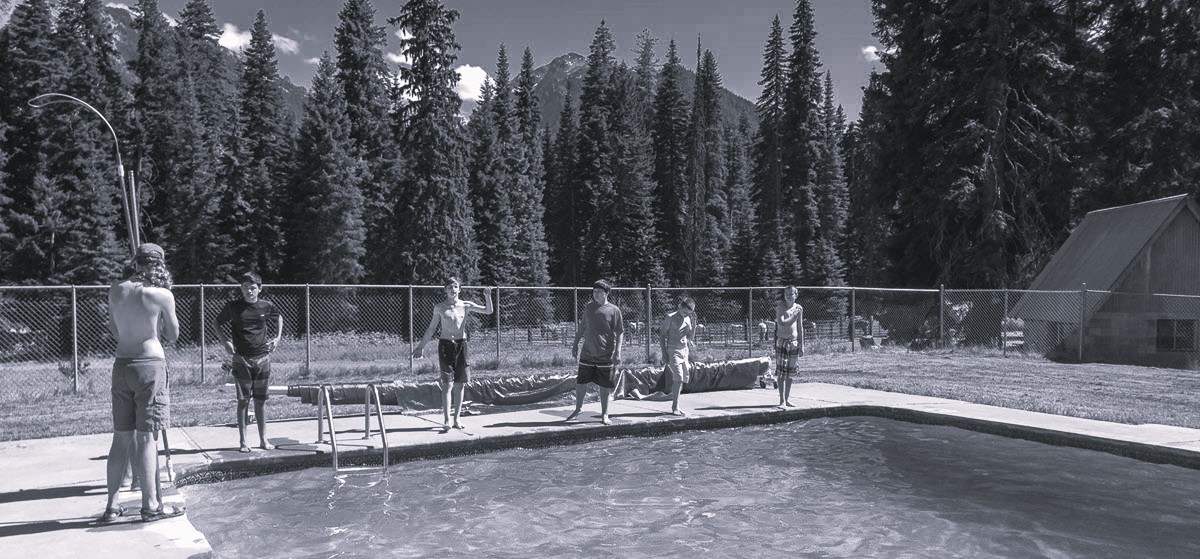
Original Swimming Pool Opened
The original swimming pool was built, and this remained a popular attraction throughout the years, with upgrades being made, including heating being added in 1955, a shower house being added in 1974, and new shower rooms being added in 2003.
1955
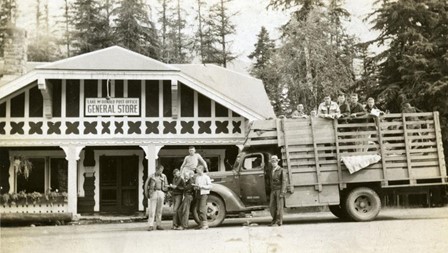
Photo from the around America roadtrip
Curtiss Gilbert Cabin Opened
The Curtiss Gilbert building was completed to expand the inside accommodations. This was named after the infamous Scout leader from Yakima Troop 9, who, among a vast number of extraordinary troop hikes (including climbing to the top of every volcano in WA, OR, and CA and having a mountain named after him), completed a 39-day troop journey around America in a fruit truck!
1960
More Growth to the Camp
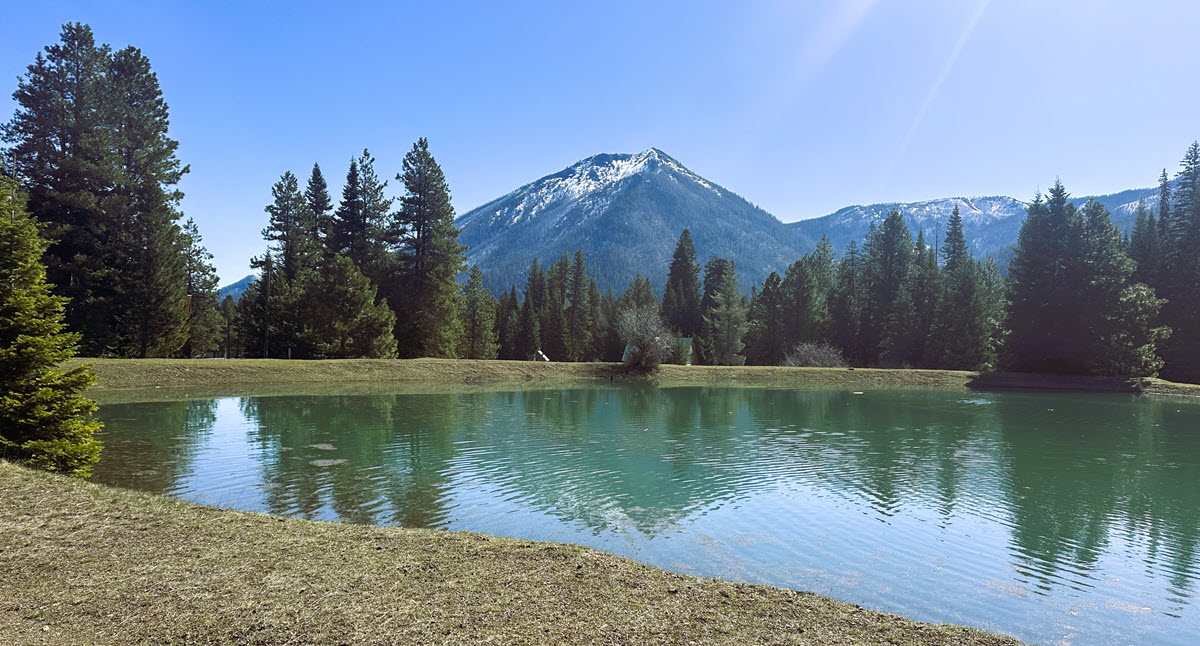
Fife Pond or Fife Lake (depending on who you talk to) was built in Sept of 1960. It is fed by spring runoff, but didn’t hold water through the summer. In 1966, the lake was sealed with sand over plastic film. It had water for a while, but the plastic soon developed holes because of the elk and other wildlife that walked through it, and the water again seeped out. Today, it holds water from the spring runoff and is used mainly by Canadian Geese, but as summer approaches, the water seeps out and soon becomes dry again.
1960 was also the year a 50 kW diesel-driven generator was installed, bringing the luxury of power to Camp Fife.
1963
New Dining Hall and Kitchen
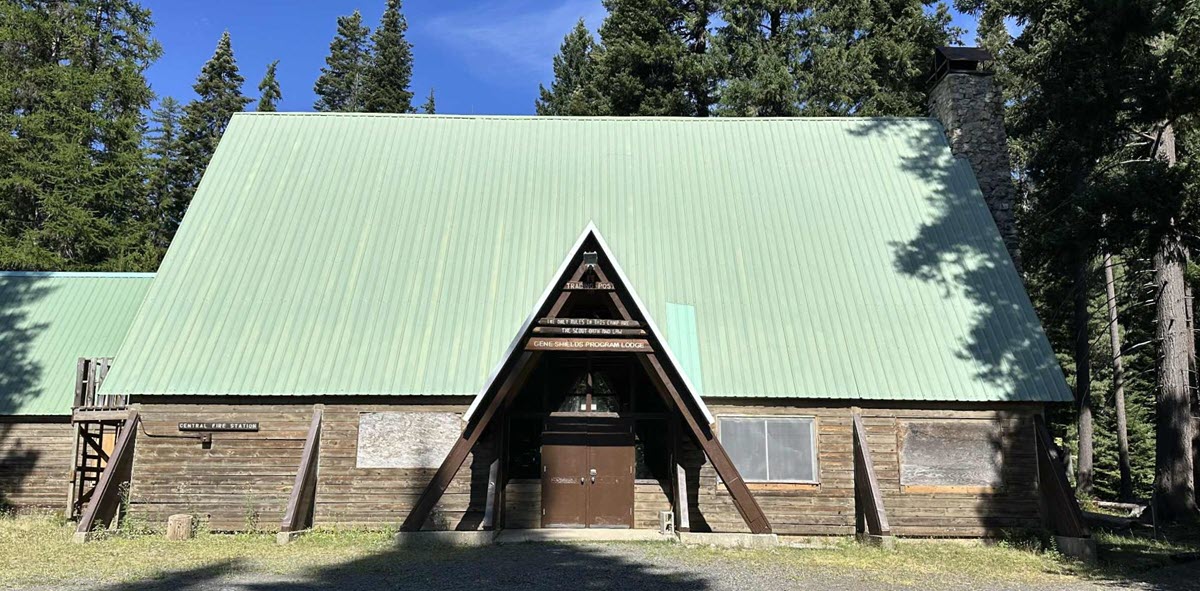
This year saw fundraising and the building of a new dining hall and kitchen, after it was reported that the old one had burned down. After the current kitchen and dining hall were built, it was used as a trading post. This building remains to this day, where it is now the program lodge, offering an excellent location for training and indoor activities. The original fireplace remains as a link to the original building, and much of the original architecture is replicated.
1987
Dee Hunter All Seasons Lodge Opened
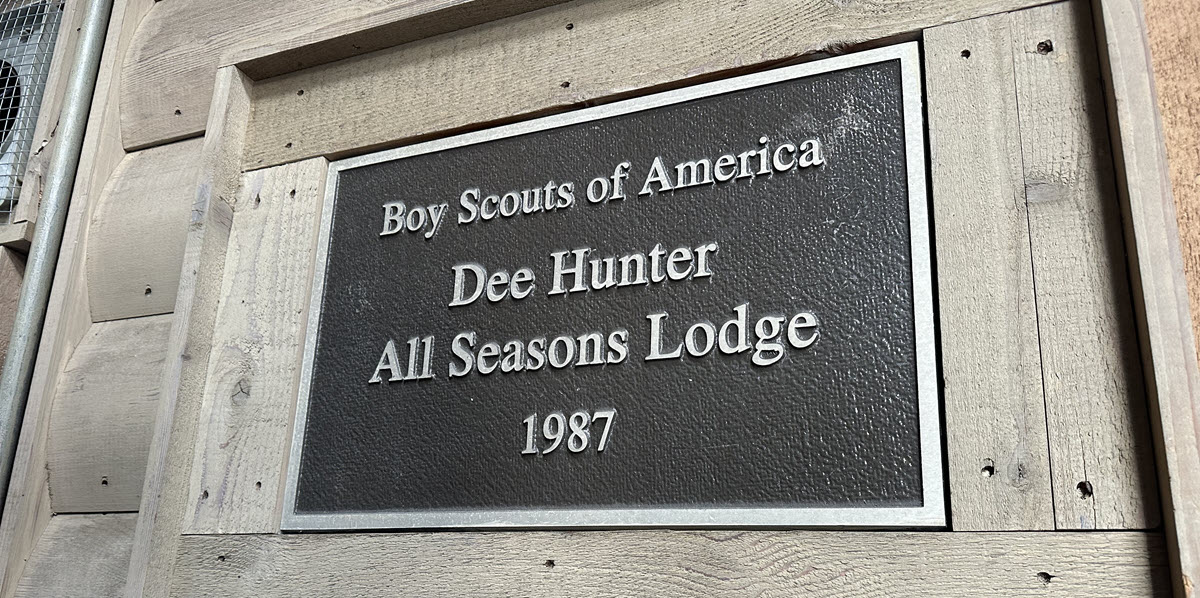
This building was added to provide year-round indoor accommodations and was immediately a hit with troops for use during winter.
2003
Multi Aspect Upgrade
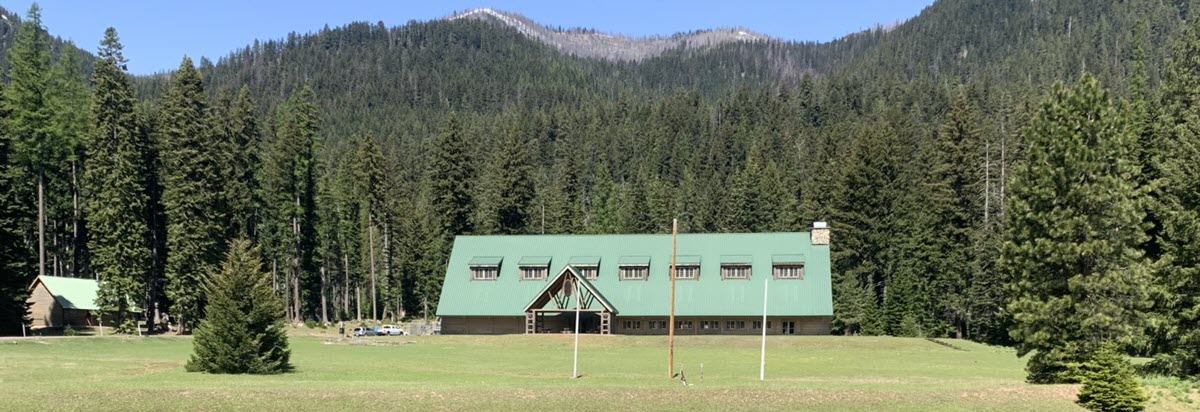
A massive multi-year camp upgrade project that included a number of upgrades and additions over the coming years…
2003 – Upgraded male shower house next to the pool.
2004 – A new, additional dining hall was built and opened.
2006 – Rangers House finished construction.
2006 – New road creating a new gate, with the ‘red gate’ now being secondary.
2019
Covid and Scouting Changes
Camp Fife, like much of the world, was impacted by COVID-19. This was exacerbated by a number of Boy Scouts of America and Grand Columbia Council situations that led to an over 50% decline in their membership. Little did people know at the time, but this would be the last Summer Camp until today, six years later.
In 2021, Friends of Camp Fife began taking on a more leadership role at Camp Fife to maintain it and move it into the next chapter of its life, with an agreed direction to transfer management and possibly ownership.
In April 2023, the Grand Columbia Council merged with the Chief Seattle Council, and discussions were put on pause, with communications from Chief Seattle leadership made public about revitalizing the property.
2025
October 1st Closure
Unfortunately, this revitalization did not eventuate with Chief Seattle Council leadership deciding to stop taking books from October 1st, 2025, effectively shuttering the property.
Currently, the Friends of Camp Fife are again strongly lobbying for a solution that would allow them to revitalize the property, with scouts once again being able to participate in activities and use the Camp Fife facilities.